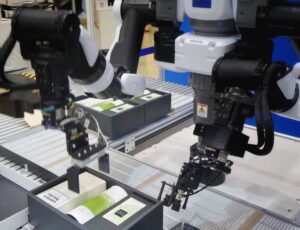
In the realm of automation, efficiency is key. Job scheduling, a critical component of automated systems, plays a pivotal role in orchestrating tasks, optimizing resources, and ensuring seamless operations. In this blog, we’ll explore the significance of job scheduling in automation, its benefits, and how it empowers businesses across industries.
The Essence of Job Scheduling
At its core, job scheduling is the process of managing and executing tasks within a predefined workflow or system. It involves allocating resources, setting priorities, and determining the sequence in which tasks should be performed. This orchestration ensures that processes run smoothly, efficiently, and with minimal human intervention.
The Benefits of Job Scheduling in Automation
- Optimized Resource Utilization
- Job scheduling allows for the allocation of resources based on priorities and dependencies, ensuring that critical tasks receive the necessary attention.
- Reduced Latency and Wait Times
- By automating the sequence of tasks, job scheduling minimizes delays and idle times between processes, maximizing throughput and overall system performance.
- Error Handling and Recovery
- Job schedulers are equipped to detect and handle errors or exceptions during task execution. They can trigger automated recovery processes or notify designated personnel for intervention.
- Resource and Workload Balancing
- Job scheduling tools can evenly distribute workloads across available resources, preventing overloading and promoting a balanced utilization of resources.
- Prioritization of Critical Tasks
- With job scheduling, businesses can assign higher priority to critical tasks, ensuring they are executed promptly and without delay.
Applications Across Industries
- Manufacturing and Production
- In manufacturing, job scheduling coordinates the production process, ensuring that each step is completed in the right sequence and at the right time.
- IT Operations and Data Centers
- Job scheduling is fundamental in managing routine IT tasks such as backups, updates, and data processing, optimizing system performance and reliability.
- Supply Chain and Logistics
- Job scheduling orchestrates the movement of goods, managing inventory levels, and coordinating delivery schedules to meet customer demands efficiently.
- Healthcare
- In healthcare, job scheduling ensures that critical tasks, such as patient appointments and medication administration, are conducted with precision and timeliness.
Challenges and Considerations
While job scheduling is a powerful tool, it’s crucial to address potential challenges like defining accurate job priorities, managing dependencies, and handling unexpected events or exceptions.
The Future of Job Scheduling in Automation
As automation technologies continue to evolve, job scheduling will become even more sophisticated. Integration with AI and machine learning will enable predictive scheduling, further optimizing resource allocation and task execution.
To read about the power of video analytics, visit our blog on Unveiling the Power of Video Analytics: Transforming Surveillance and Beyond
Conclusion
Job scheduling is the linchpin of automation, enabling businesses to operate with unparalleled efficiency and reliability. By strategically orchestrating tasks, organizations can streamline their operations, reduce costs, and ultimately deliver better products and services. Embracing job scheduling is not just a choice; it’s a strategic imperative in the age of automation.
Tech@Levintutu is the technical team at @Levintutu who writes on the latest technology and its applications in industrial automation. To read more about us, visit our case studies at https://levintutu.com/case-study/. We are really excited about writing more on the application of technology, Artificial Intelligence, industrial automation, AMRs, AGV, ASRS, Industrial IOT, etc.
Follow us on https://www.linkedin.com/company/levintutu-automation/.