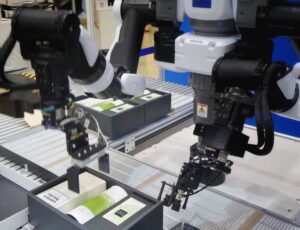
In an era defined by technological innovation, the Internet of Things (IoT) stands as a groundbreaking concept that is reshaping the way we interact with the world around us. It represents a network of interconnected devices and systems, facilitating seamless communication and data exchange. In this article, we’ll delve into what IoT is, how it works, its applications, and the transformative impact it’s having on various industries.
Tech@Levintutu is the technical team at @Levintutu who writes on the latest technology and its applications in industrial automation. To read more about us, visit our case studies at https://levintutu.com/case-study/.
Defining the Internet of Things
A Network of Connected Devices: The Internet of Things refers to the network of physical devices, vehicles, buildings, and other objects embedded with sensors, software, and connectivity. These devices are capable of collecting and exchanging data, enabling them to interact and make intelligent decisions.
Interconnected Ecosystems: IoT creates an ecosystem where devices communicate and collaborate without human intervention, streamlining processes, and providing valuable insights for better decision-making.
How IoT Works
-
- Sensors and Connectivity: IoT devices are equipped with sensors that gather data about their surroundings. They are connected to the internet or local networks through various means, including Wi-Fi, Bluetooth, or cellular networks.
- Data Processing and Analysis: The data collected by IoT devices is transmitted to a central system or cloud platform. Here, it is processed, analyzed, and stored.
- Decision-Making and Action: Based on the analyzed data, IoT systems can trigger actions or responses. This can range from sending alerts, to adjusting settings, or even initiating automated processes.
Applications of IoT
1. Smart Homes
-
- Home Automation: IoT enables the control and automation of various aspects of a home, including lighting, heating, security systems, and appliances.
-
- Energy Efficiency: Smart thermostats and lighting systems optimize energy consumption based on usage patterns.
-
- Health and Wellness: Wearable devices and sensors monitor health metrics, providing valuable insights for wellness management.
2. Healthcare
-
- Remote Patient Monitoring: IoT devices allow for continuous monitoring of patient’s vital signs, providing timely intervention and reducing hospital visits.
-
- Medical Asset Tracking: Hospitals use IoT to track and manage medical equipment, ensuring availability when needed.
3. Smart Cities
-
- Traffic Management: Sensors and cameras optimize traffic flow, reducing congestion and emissions.
-
- Waste Management: Smart bins optimize collection schedules based on fill levels, improving efficiency and reducing costs.
-
- Environmental Monitoring: IoT devices track air quality, noise levels, and other environmental factors for a healthier urban environment.
4. Industrial IoT (IIoT)
-
- Predictive Maintenance: Sensors monitor the condition of machinery and equipment, allowing for timely maintenance and preventing breakdowns.
-
- Supply Chain Optimization: IoT provides real-time tracking of goods in transit, improving logistics and reducing inventory costs.
5. Agriculture
-
- Precision Agriculture: IoT sensors and drones optimize farming practices by monitoring soil conditions, weather, and crop health.
-
- Livestock Management: RFID tags and sensors track the health and location of animals, improving herd management.
The Impact of IoT
-
- Efficiency and Optimization: IoT streamlines processes, reduces waste, and optimizes resource usage, leading to increased efficiency in various industries.
- Enhanced Decision-Making: Access to real-time data enables informed and timely decision-making, improving operations and customer service.
- Improved Quality of Life: In healthcare, smart homes, and cities, IoT technologies are enhancing the quality of life by providing personalized and efficient services.
- Innovation and New Business Models: IoT is driving innovation and enabling new revenue streams through the development of connected products and services.
Future Trends and Innovations of IoT
As IoT continues to evolve, we can expect advancements in areas like edge computing, AI integration, and the development of more sophisticated sensors. The proliferation of 5G networks will also play a pivotal role in enabling faster and more reliable IoT communications.
To read about RFID, visit our blog on Radio Frequency Identification (RFID) Tags: Revolutionizing Tracking and Automation
Conclusion
The Internet of Things represents a transformative force that is reshaping our world. By connecting devices, systems, and environments, IoT is driving efficiency, innovation, and improved quality of life. As we continue to embrace this technology, the possibilities for further integration and innovation are limitless, promising a future where the world is more connected and intelligent than ever before.
Remember, the successful implementation of IoT requires careful consideration of security, privacy, and interoperability. With the right strategy and integration, organizations can fully harness the potential of IoT to thrive in the digital age.
This article provides an in-depth look at the Internet of Things (IoT), its applications, impact, and future trends. Depending on your target audience, you might want to include specific case studies or examples of successful IoT implementations in different industries.
Now, if you have specific questions or if you’d like to discuss a problem related to AS/RS systems, please feel free to share more details.
We are really excited about writing more on the application of technology, Artificial Intelligence, industrial automation, AMRs, AGV, ASRS, Industrial IOT, etc. Follow us on https://www.linkedin.com/company/levintutu-automation/.